Figma
Figma API
API Web to code extension
 Adobe XD
 Discord
 Twitter
 GitHub


Vibe Code With Your Figma Design System
Reading Time: 4 minutesBuild apps with your Figma design system using Anima. Convert components into React code and vibe code new UI that stays on brand.


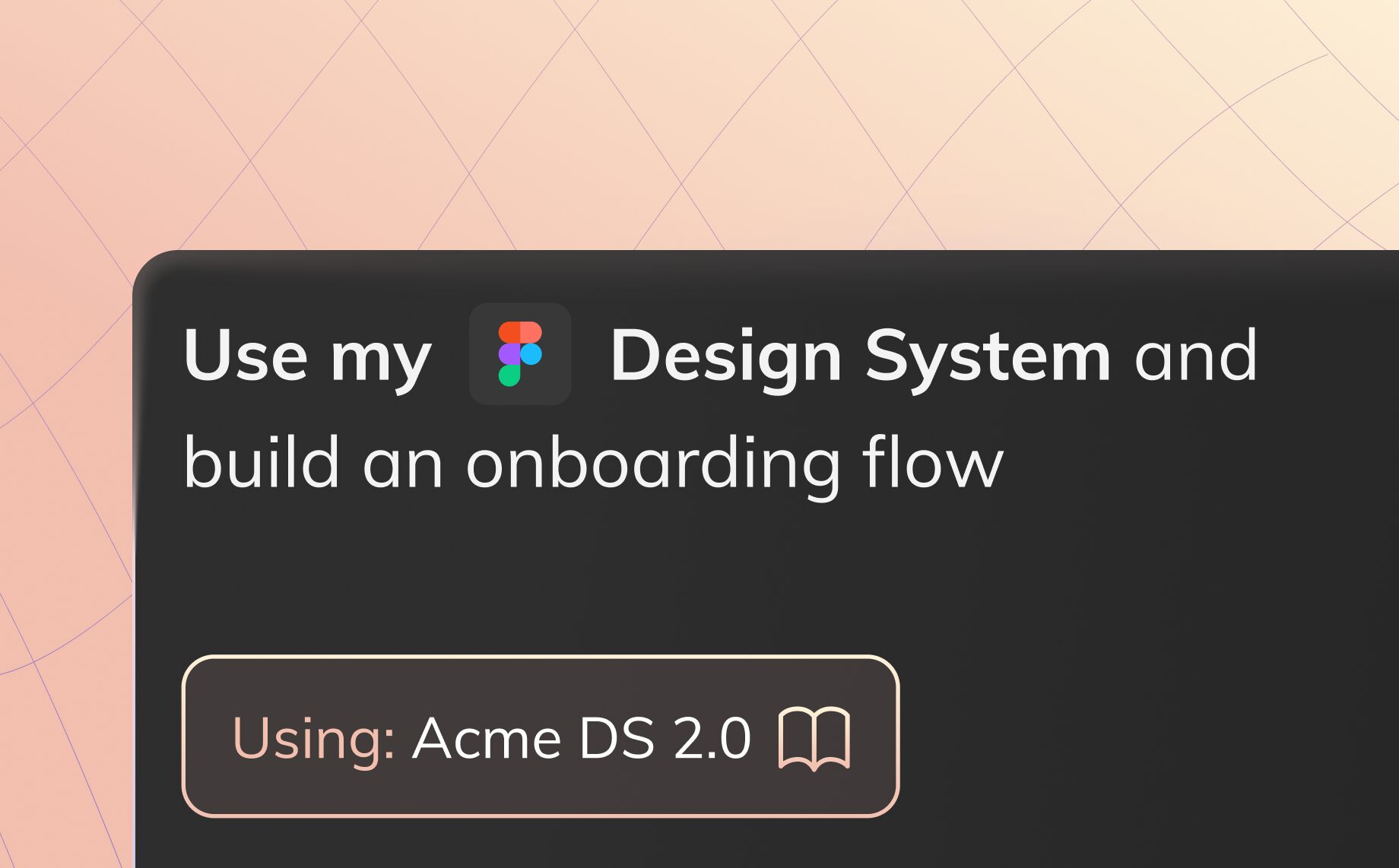
Reading Time: 4 minutesBuild apps with your Figma design system using Anima. Convert components into React code and vibe code new UI that stays on brand.

Reading Time: 6 minutesWill design systems survive AI and vibe coding? A deep dive into Figma vs code, AI handoff, and the future of design systems in 2026.

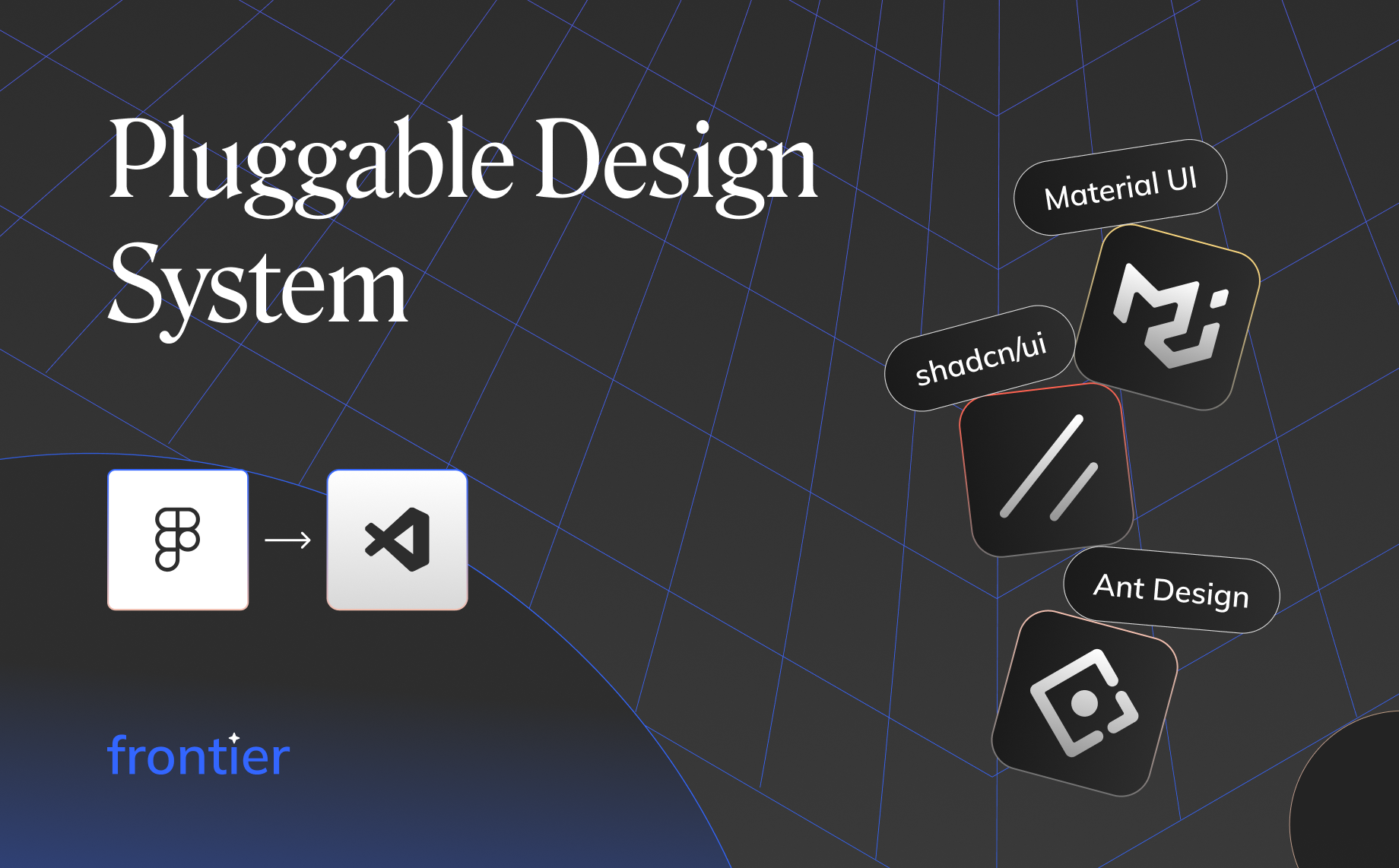
Reading Time: 3 minutesWhen we created Frontier, we didn’t want to stick to just one coding design system. MUI, for example, is a very popular React Design System, but it’s one of <very> many design systems that are rising and falling. Ant Design is still extremely popular, as is the TailwindCSS library. We’re seeing the rapid rise of Radix based component libraries like ShadCN as are Chakra and NextUI.
Reading Time: 6 minutesExplore the evolving challenges of bridging design and code as companies scale. Learn how design systems, Figma integrations, and AI tools like Anima's Frontier can address design drift, documentation gaps, and onboarding hurdles, creating a seamless collaboration between designers and developers.
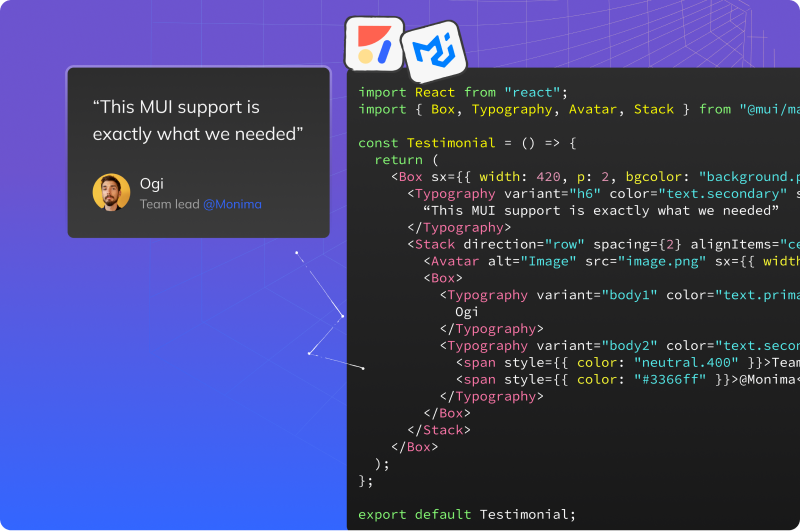
Reading Time: 4 minutesWe’re excited to introduce Anima’s latest feature: the ability to transform any Figma design into clean, functional code using Material UI (MUI). This powerful capability helps developers quickly convert any Figma file—whether it’s well-structured or not—into high-quality MUI code.

Reading Time: 8 minutesDesign systems create consistency, scalability, and efficiency across complex products and distributed teams. They’re also a drain on resources and a struggle to keep synced in dynamic organizations. These tools can help.

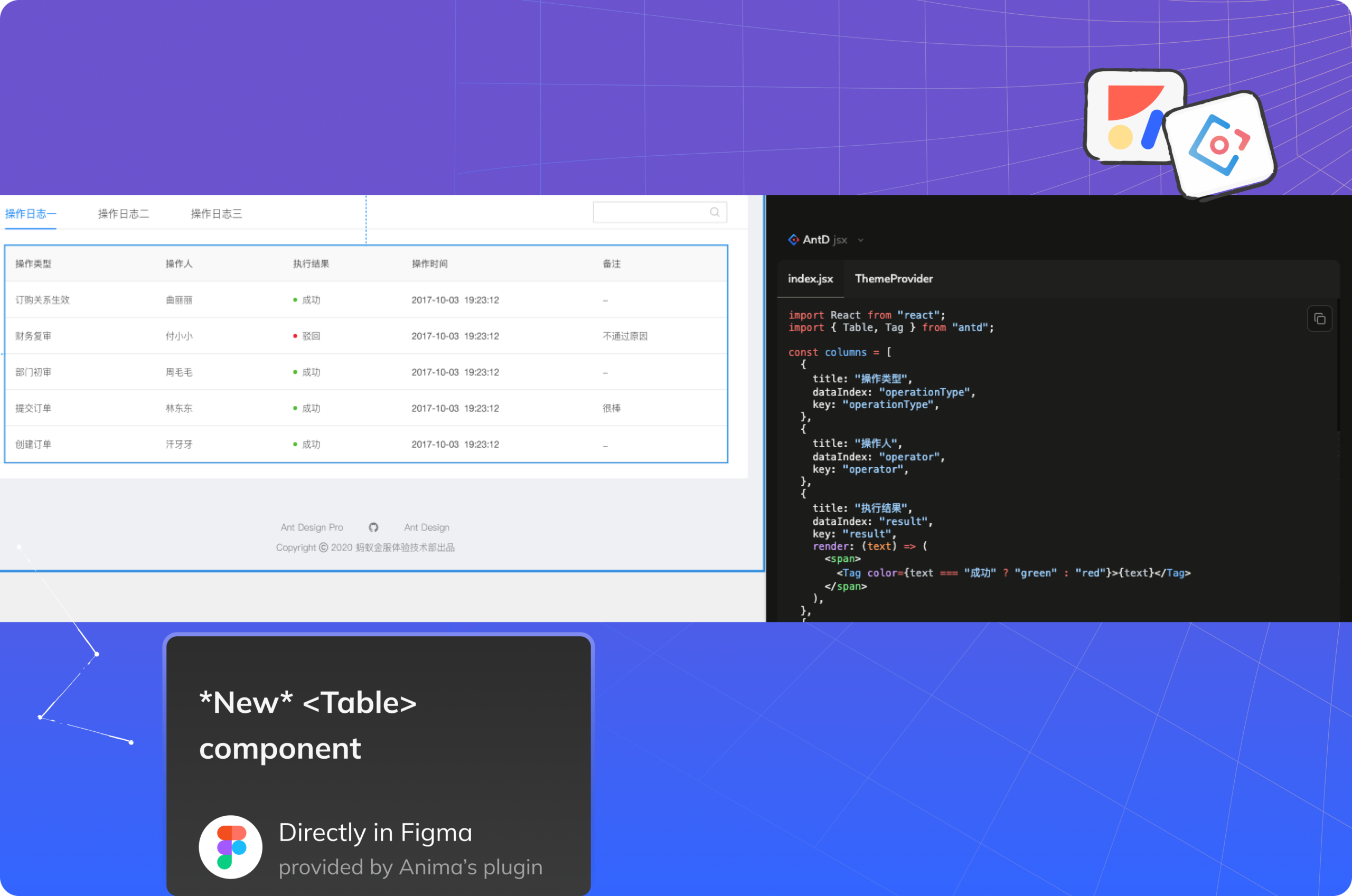
Reading Time: 4 minutesWe’re excited to introduce our latest feature: seamless support for Ant Design (AntD)! Now you can transform any Figma design—whether it’s tidy or a little chaotic—into clean, production-ready Ant Design code. With Anima’s AntD integration, developers can quickly bridge the gap between design and code, turning creative visions into structured, reusable components.


Reading Time: 5 minutesAlthough the concepts of product design and development have become increasingly similar, we still have two sources of truth — Design and Code. Anima is here to automate design-to-code with AI, freeing developers and designers to create and build digital products faster.
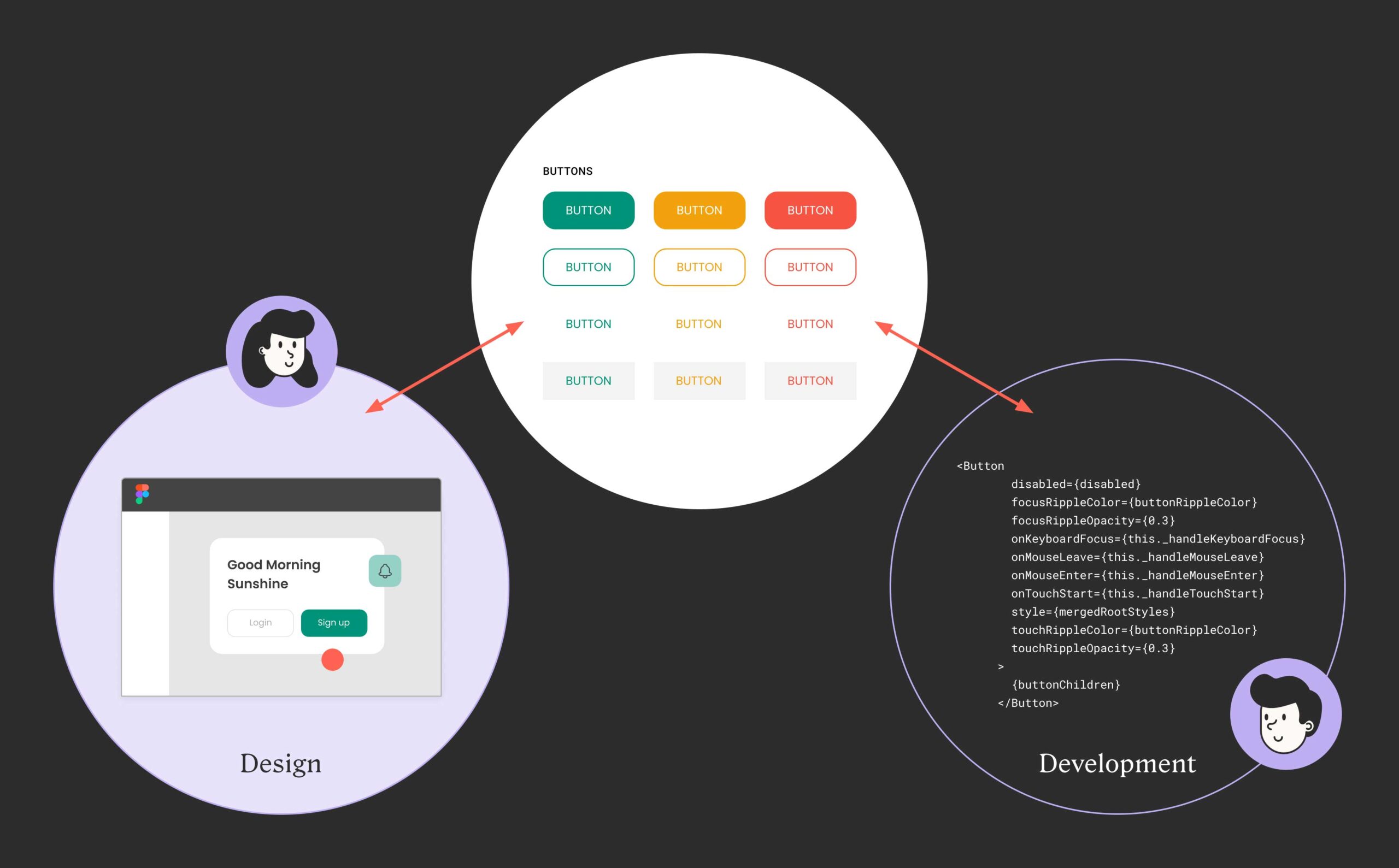
Reading Time: 7 minutesWhether you’re an early-stage startup or a multinational enterprise, a design system can help you build and scale your product quickly and cost-effectively. Here’s everything you need to know.

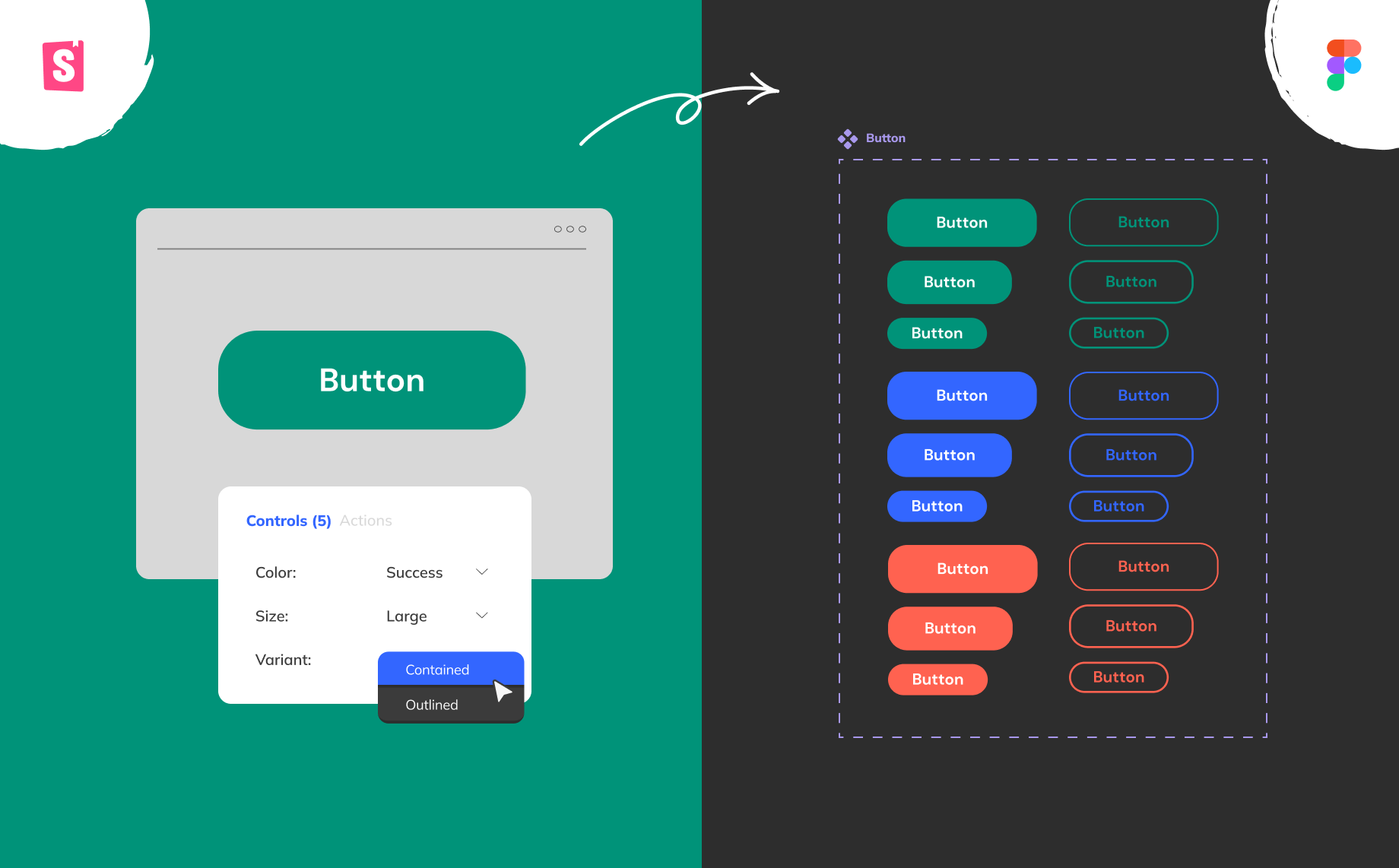
Reading Time: 5 minutesAnima’s Design System Automation platform turns any Storybook into a native Figma library—including variants, Auto Layout, and Figma Styles—then keeps it synced with the code. Here’s how I did it with components from MUI’s open-source design system.